
Why You Should Study Jose Raul Capablanca
The Third Official World Champion

I much prefer Capablanca and Morphy. Alekhine had a rather heavy style, Capablanca was much more brilliant and talented, he had a real light touch. - Bobby Fischer
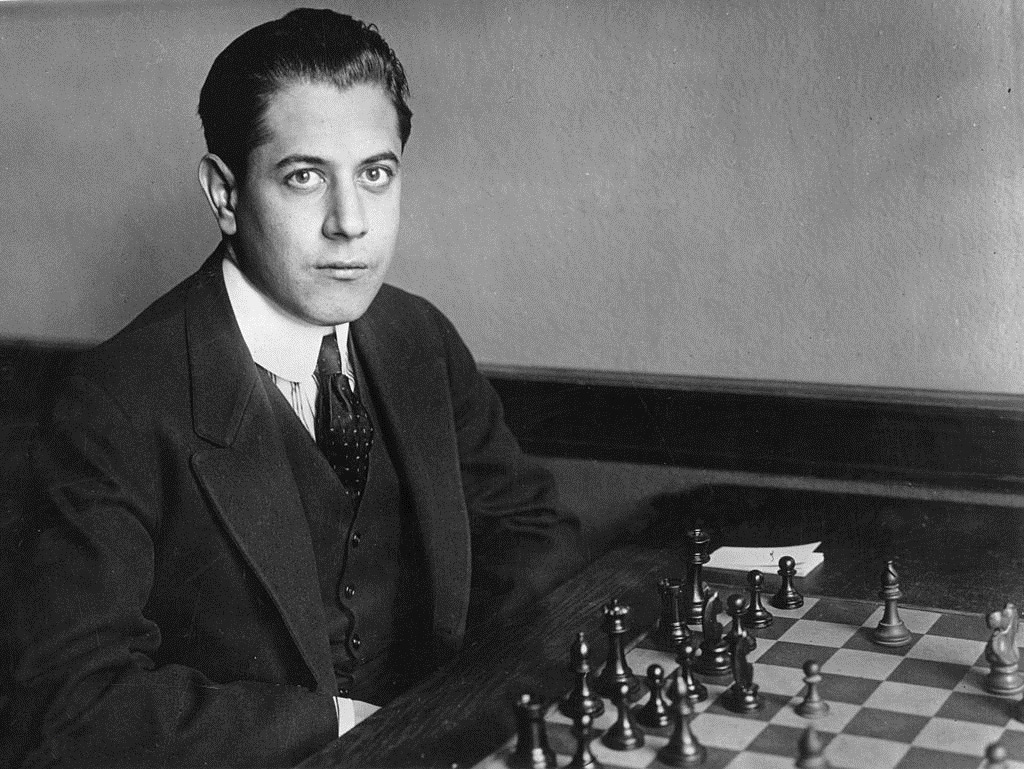
Jose Raul Capablanca was the third official World Champion of chess, reigning from 1921 to 1927, after defeating Lasker in a title match (though Lasker oddly conceded the title to Capablanca and insisted he was the challenger to the Cuban). While he was only the king for 6 years, while alive Capa managed to remain in the top class of chess players from his international tournament debut in 1911 until shortly before his untimely death in 1942. Unlike Lasker his predecessor, Capablanca is not only renowned for his skill, but is universally in the conversation by most players for one of the greatest of all time — he remains very popular as a player to study today. Why?
Capablanca’s Style
“Classical”: Scare quotes intended. Capablanca (and possibly his successor Alekhine) represent the peak of the so-called Classical School of chess. This idealized view of chess history presents the “Classical” or “Modern” era as the one in which players took Steinitz’s principles and took them to their most logical and strongest conclusions. In reality, like most players, Capablanca was trying to play the best moves he could find; but his chosen openings and play usually tended towards the tried-and-true methods of central control and rapid piece development, and like Alekhine, Capablanca was both a skeptic and an eclectic when it came to the “hypermoderns” who criticized and praised Steinitz and his followers.
Positional: A player like Capablanca could not become World Champion without having an extremely sharp tactical acumen; however Capablanca’s games show a predilection toward intuitive positional plans. Where this is most evident is in the very, very many strategic endgames (and/or queenless middle games) Capa would enter and then outplay his opponents. Where Capablanca felt a little lackluster in opening theory, he more than made up for with his middlegame and endgame play. Capablanca’s play has an intuitive, buttery-smooth feel; it’s like he knows exactly where every piece needs to go, every single time.
une petite combinaison: Capablanca’s positional games often feature short tactical sequences that he referred to as “petite combinaison”. These 2-3 move sequences weren’t crazy combinations, but rather little tactical threats that he could use to get further positional superiority in middlegames or to transpose to a favorable endgame. This was one of his bread-and-butter resources which you can find many examples of.
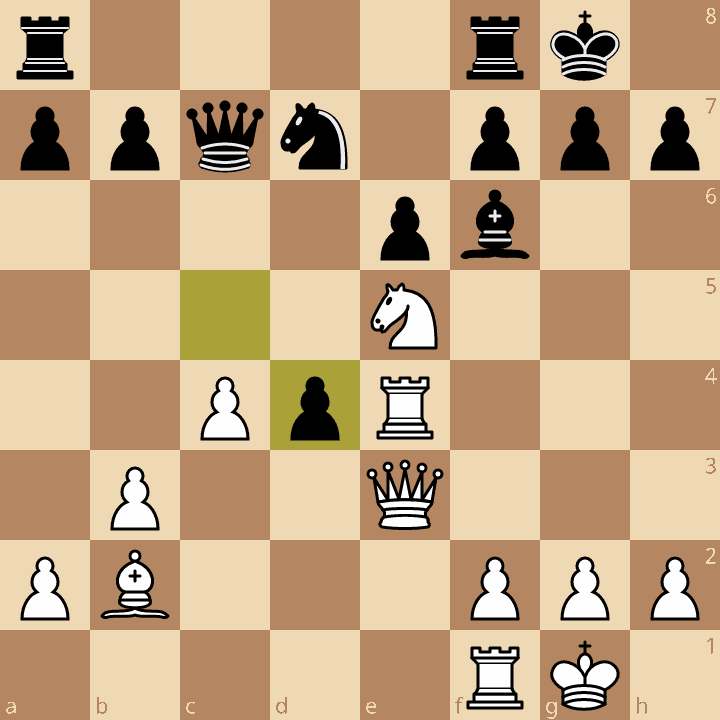
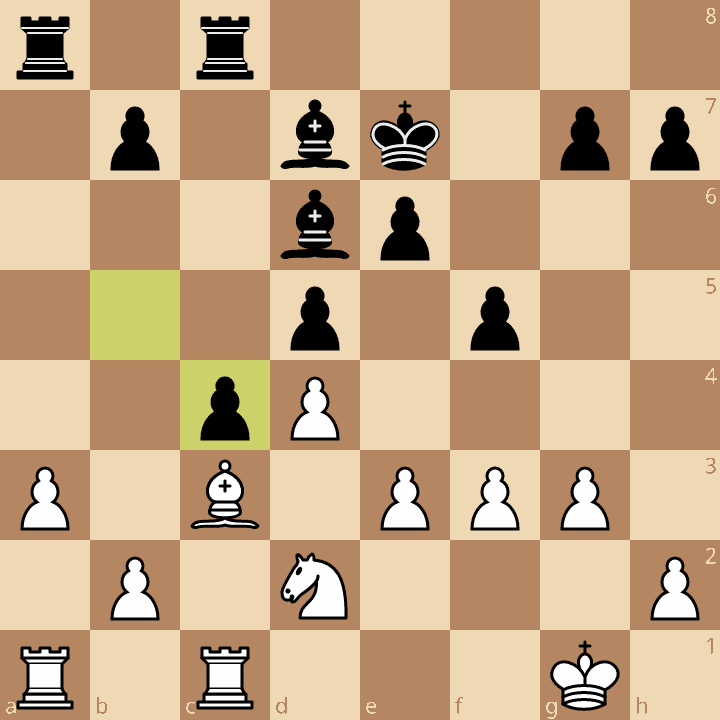
Capablanca - Villegas, Buenos Aires 1914. Capa played 18.Nxd7!, because to capture the White queen in response leads either to mate or a lost endgame; the use of this combinational idea allows him to solidify his positional edge after 18…Qxd7 19.Bxd4 Bxd4 20.Rxd4. Very exemplary of Capablanca’s style. Strategic Endgame Master: For his time, Capablanca was unrivaled in his ability to play strategic endgames. Capablanca would trade off a few pieces, usually including the queens, and then, from a technically equal position, proceed to generate plans like clockwork, find a winning plan, and like the sports company slogan goes, just do it. It’s shockingly uncanny how often Capa could win by sheer will in these kinds of positions. Today, Capablanca is considered one of the greatest endgame players of all time; perhaps Magnus Carlsen is a bit better, but Capablanca did it first, and in such a legendary way as to make him an all-time-great who will always be in the Endgame GOAT conversation. Besides this, Capablanca’s games are the more instructive for most players, because his ideas were so elegant and clear:
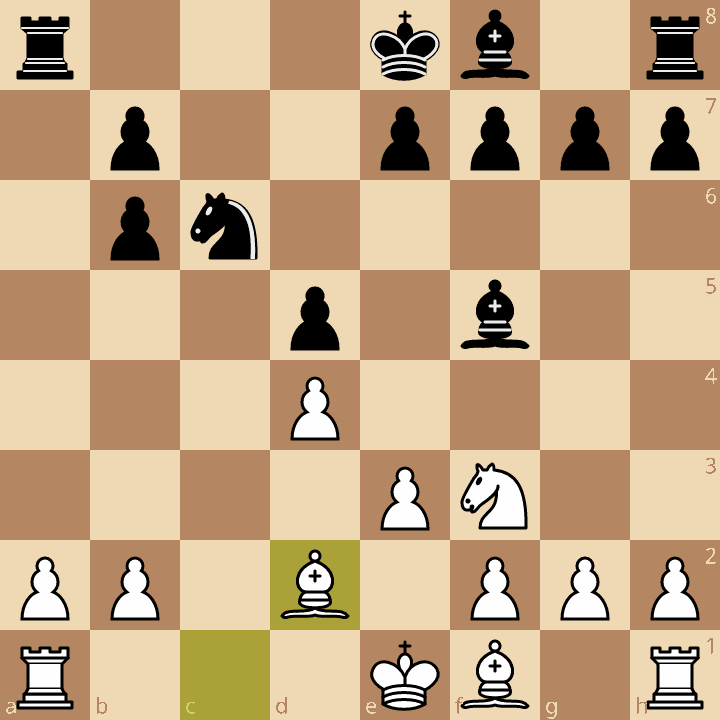
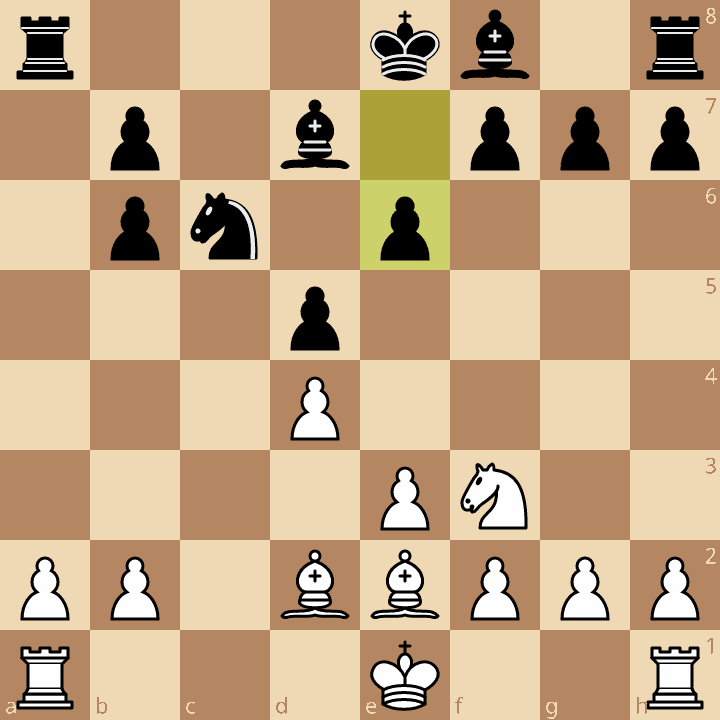
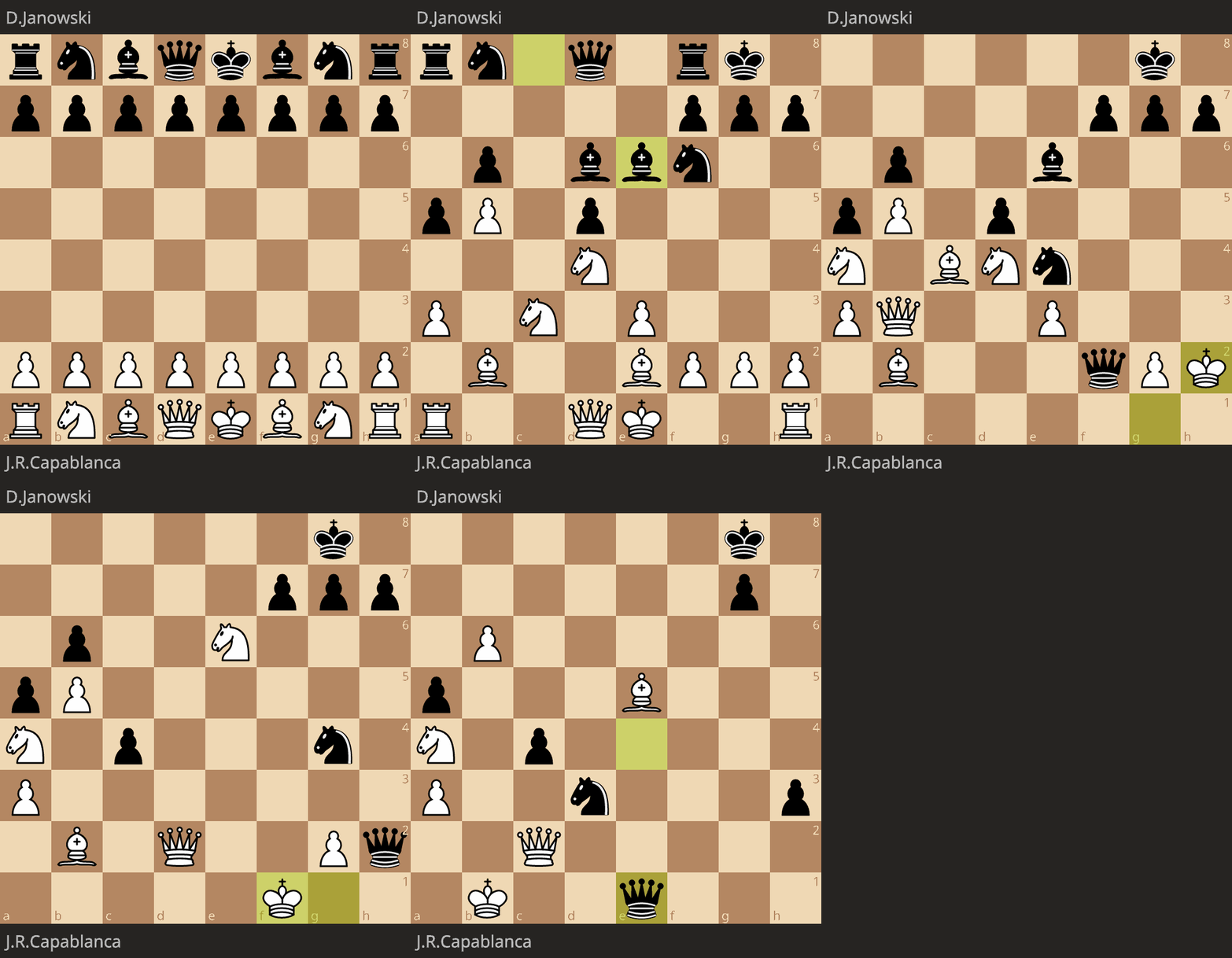
Janowski - Capablanca, New York 1916. Black to play. In this example, Capa’s plan is extremely deep: 10…Bd7!? 11.Be2 11…e6!
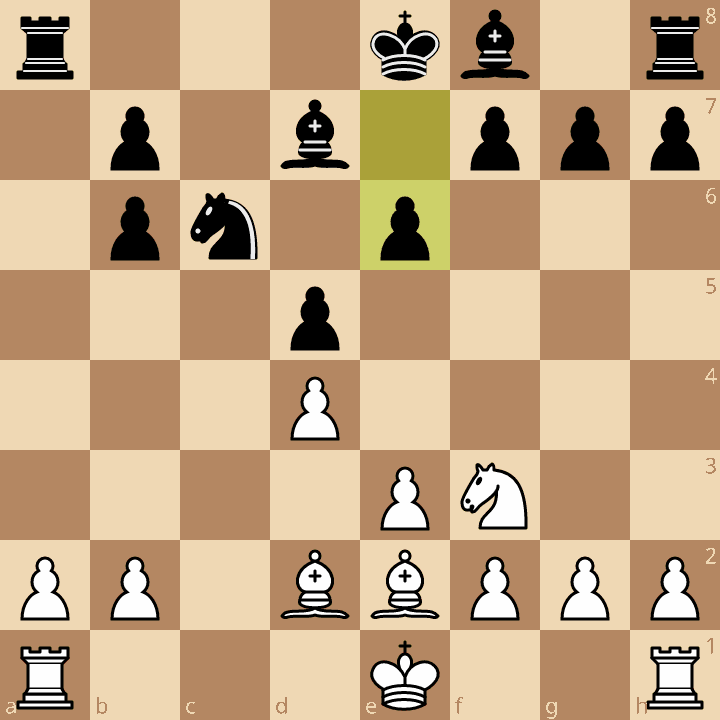
This is a strange sequence if you understand the classical principles of piece development — why spend so much time bringing your bishop back inside the pawn chain? But Capablanca pays very close attention to the intricacies of the position and begins to take the b5-square under his control. When Capa finally plays this move 6 moves later, he is able to secure the bishop pair and play for a win, having fixed his structure and pressing an advantage on the queenside:
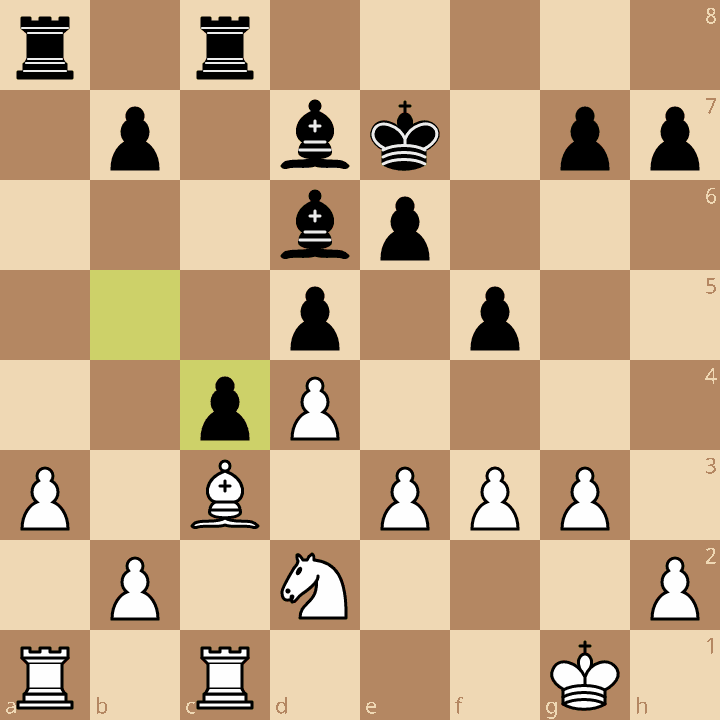
Capa’s endgames are loaded with clever ideas like this. Most of his competition couldn’t keep up, which makes Capa’s endgames some of the most instructive of all time.
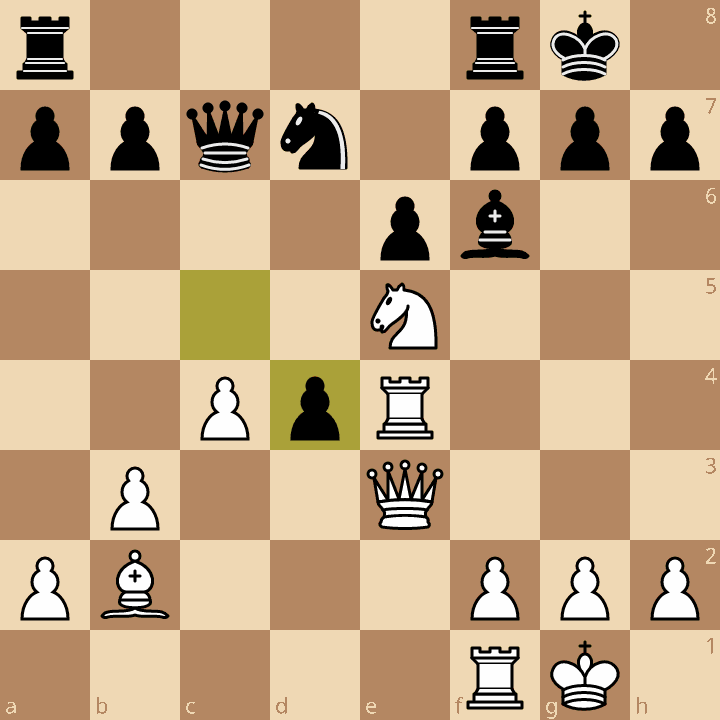
Defense: Partly due to his lackluster opening prep, Capablanca had to be an incredible defender to get out of his self-made problems. Despite being quite an intuitive player who could uncork sharp attacks, Capa did his best calculation on his back foot. This is something better shown than told:
Capablanca’s Opening Repertoire
As White: Ruy Lopez, Queen’s Gambit
Like Lasker before him, Capa’s skills lay in different parts of the game than the opening. Nevertheless he does have many opening variations named after him, because he so often found solutions to problems over the board.
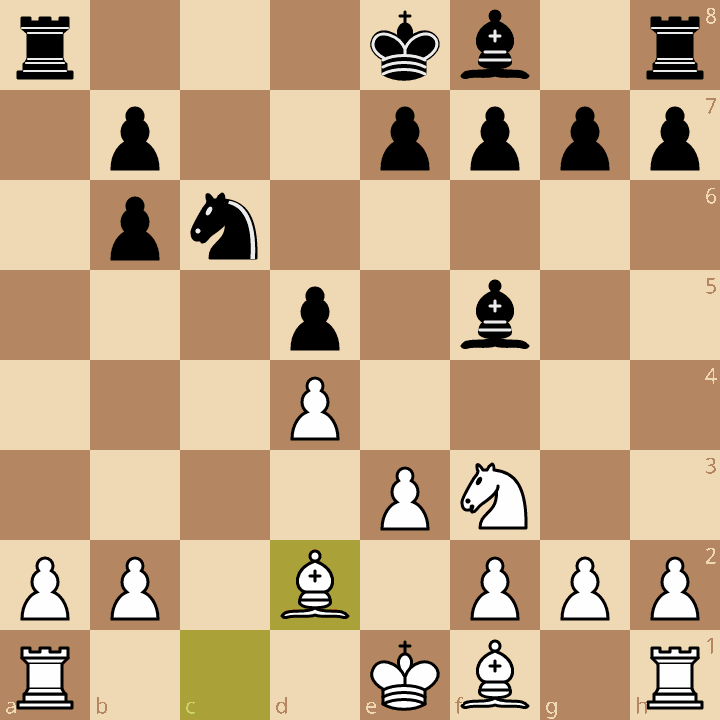
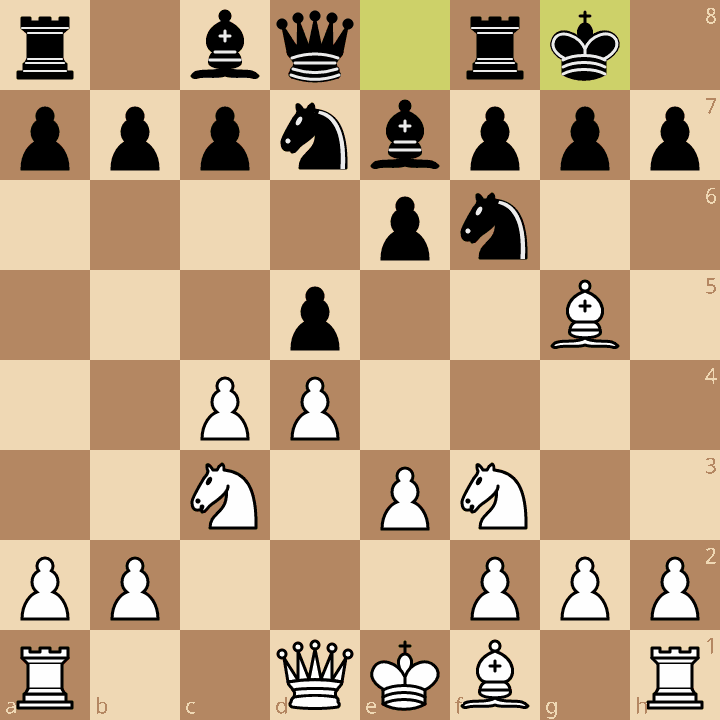
Capablanca usually went with 1.d4. In fact, his World Championship match against Alekhine is infamous for being almost entirely composed of Queen’s Gambit games. The position they most often essayed against one another (with both siders!) was this, after 1.d4 d5 2.c4 e6 3.Nc3 Nf6 4.Bg5 Be7 5.Nf3 Nbd7 6.e3 O-O:
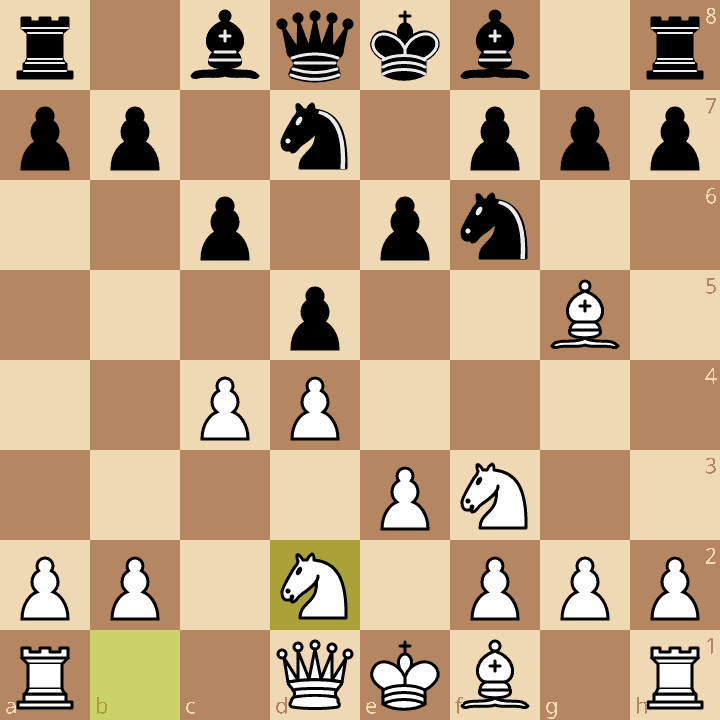
Capa got all sorts of variations named after him, despite his reputation as a player who avoided studying openings deeply. For instance:
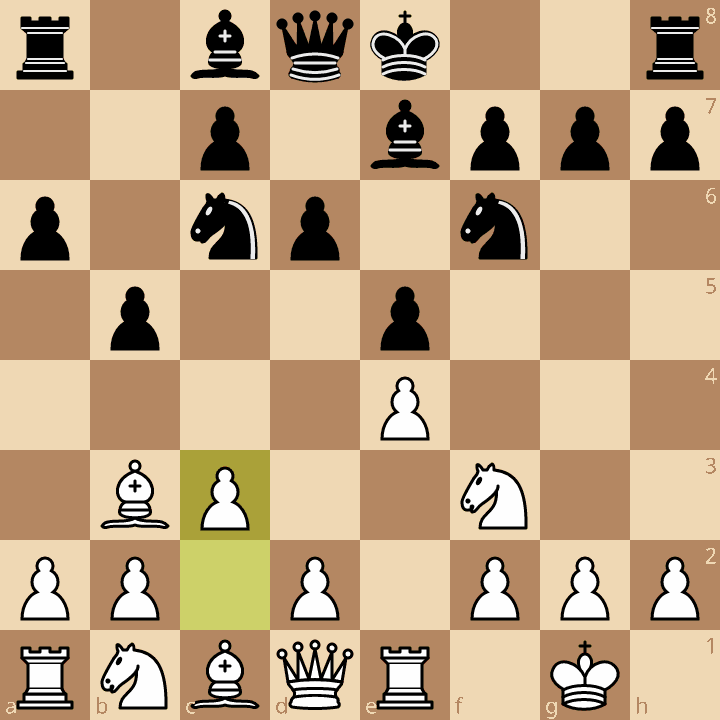
Capablanca would also employ the Ruy Lopez on a fairly regular basis. As Capablanca was not an opening innovator, he would continue with the mainline after 1.e4 e5 2.Nf3 Nc6 3.Bb5 a6 4.Ba4 Nf6 5.O-O Be7 6.Re1 b5 7.Bb3 d6 8.c3
One particularly variation was debuted against Capablanca in the Ruy Lopez: The Marshall Attack, after 7…O-O 8.c3 d5!
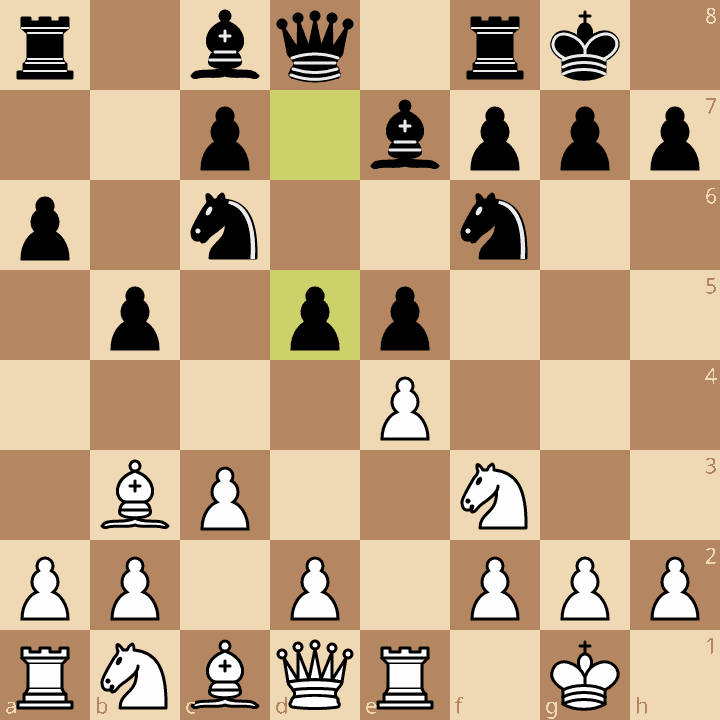
Capablanca’s refutation of Marshall’s variation stood for a long time and the change in assessment of this position from a win for White to a sharp draw would not come until many decades later.
As Black: Modern Steinitz Defense, French Defense, Caro-Kann, Queen’s Gambit Declined, Nimzo/Queen’s Indian Defenses.
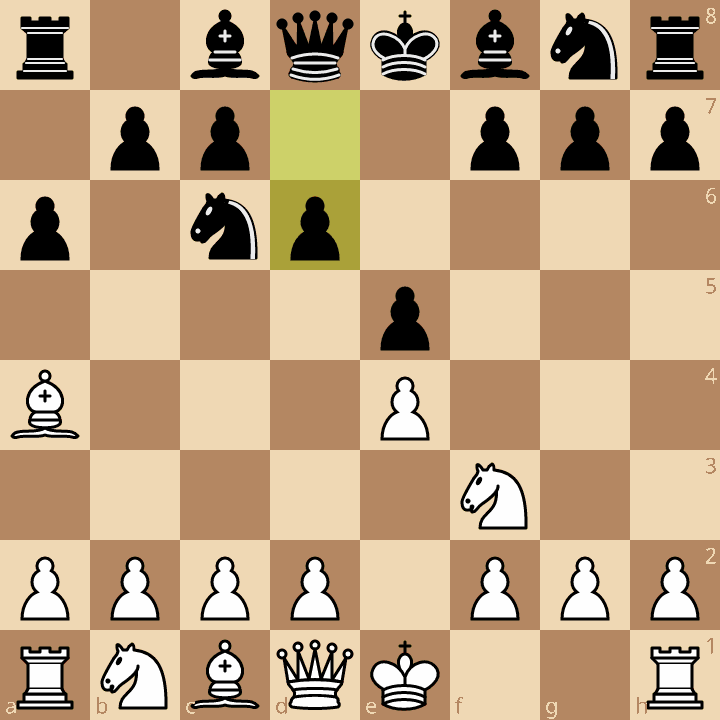
Capablanca enjoyed the Modern version of the Steinitz Defense, with the typical plans of Bd7, g6, and Bg7;
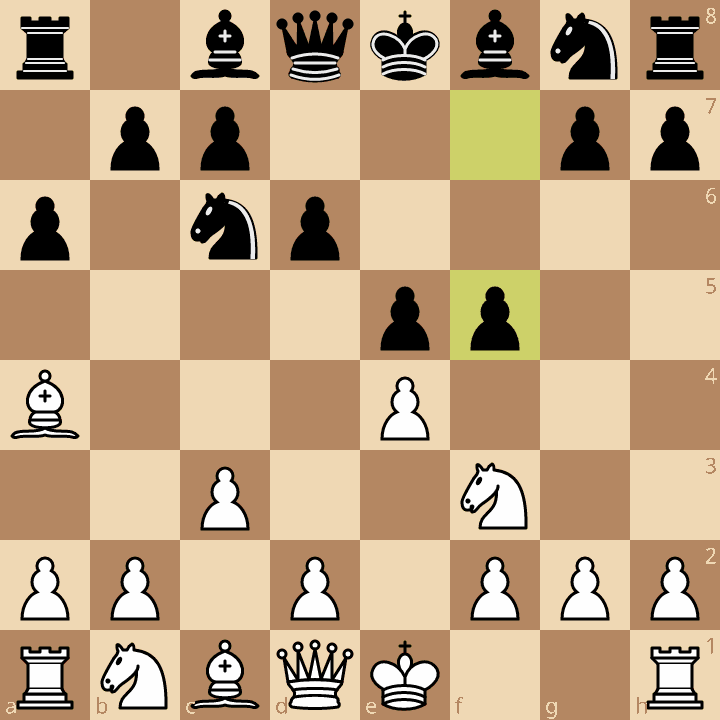
Sometimes he would try the so-called Siesta variation after 5.c3 f5
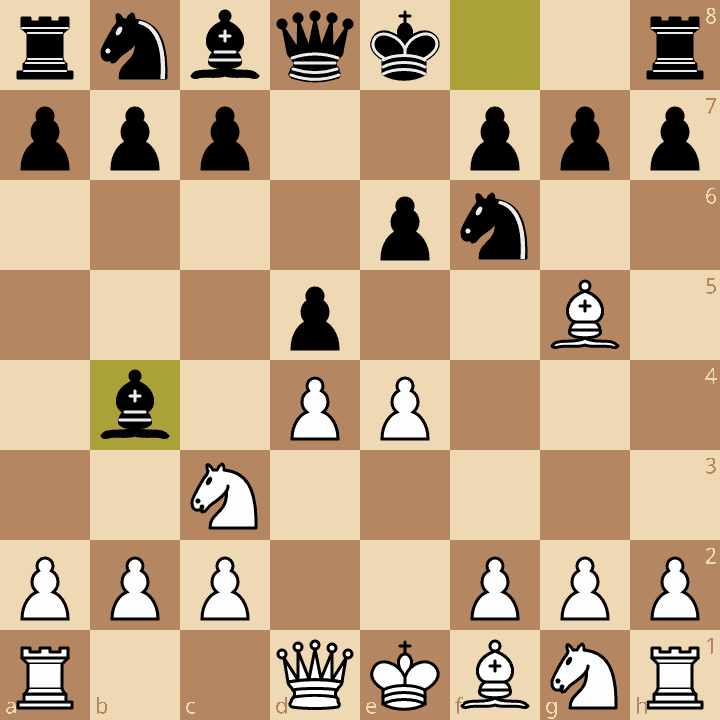
Capablanca also occasionally essayed the French Defense. He most often used the McCutcheon Defense which is 1.e4 e6 2.d4 d5 3.Nc3 Nf6 4.Bg5 Bb4
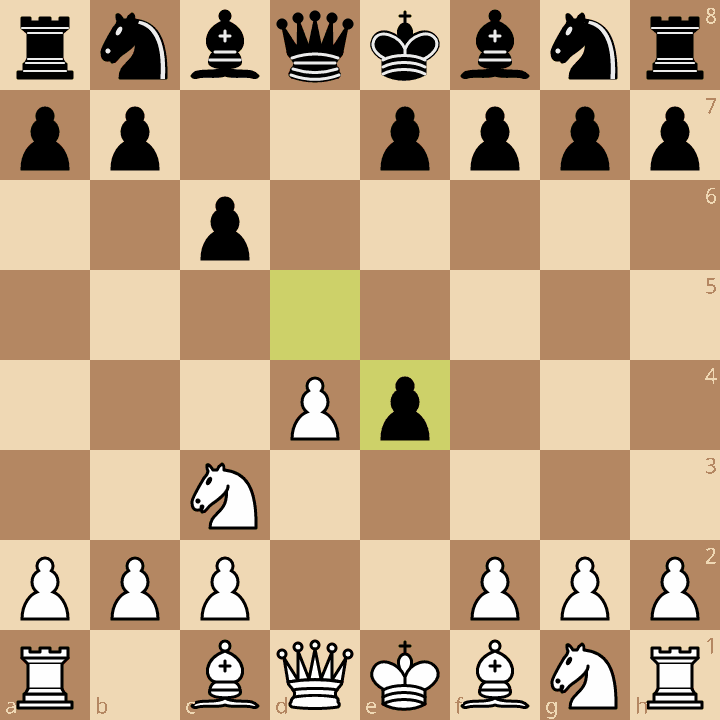
Capa also sometimes used the Caro-Kann Defense, sticking with the “main line” in cases of 1.e4 c6 2.d4 d5 3.Nc3 dxe4.
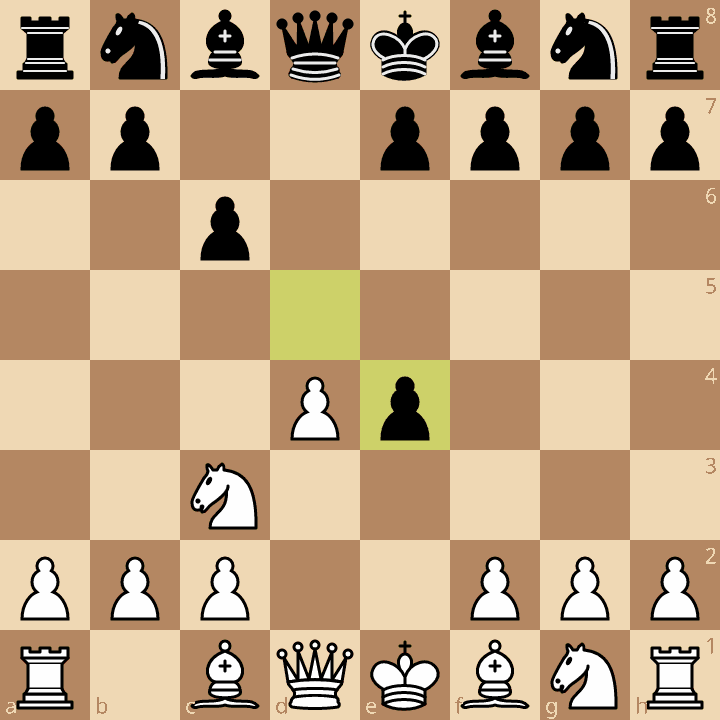
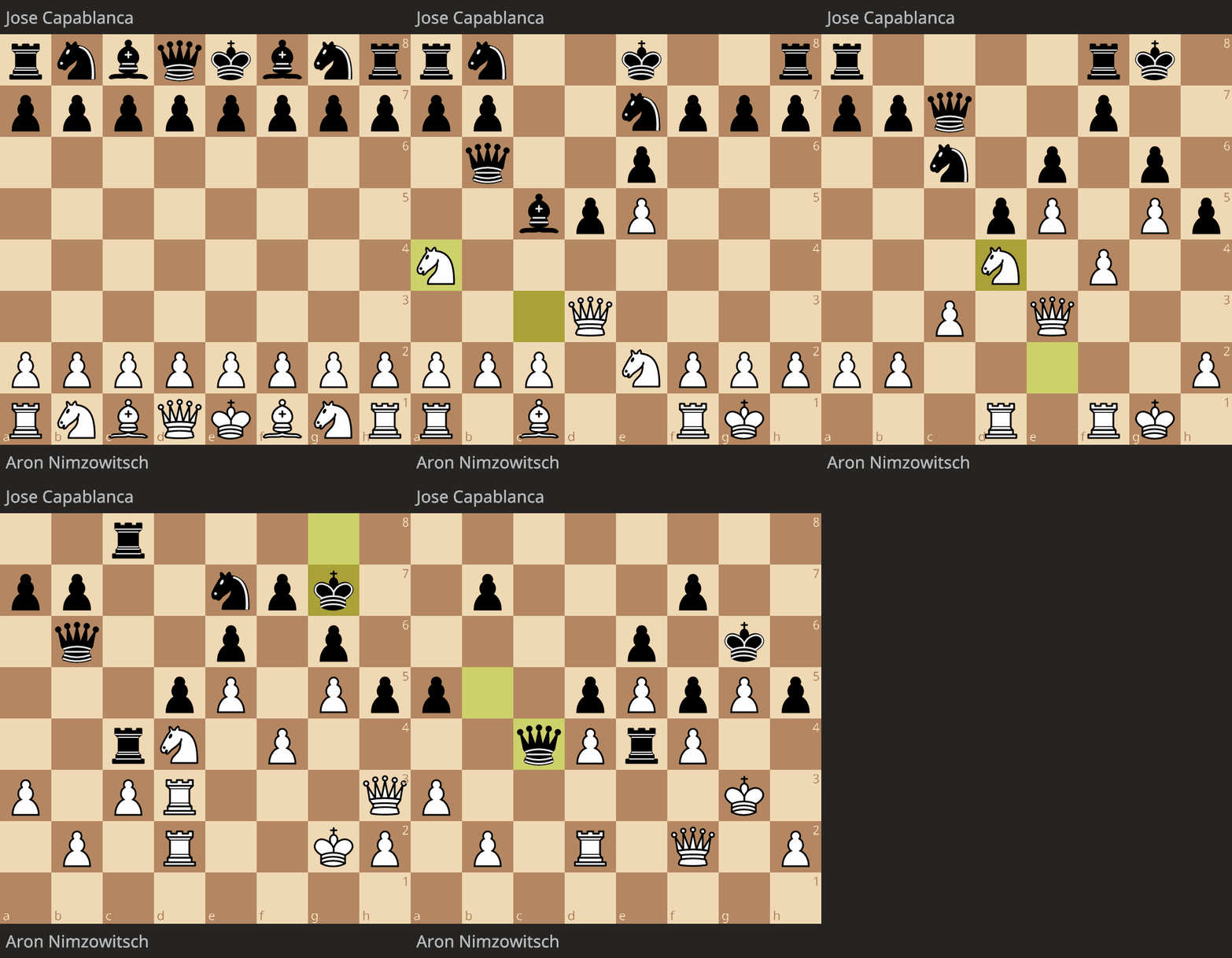
Caro-Kann Main Line His most famous victory in it was probably against Nimzowitsch, who was trying to play the Advance variation. This game possibly led to the Caro Advance having a poor reputation for White for a while; Capablanca’s dismantlement of Nimzowitsch’s ideas prove to be quite impressive:
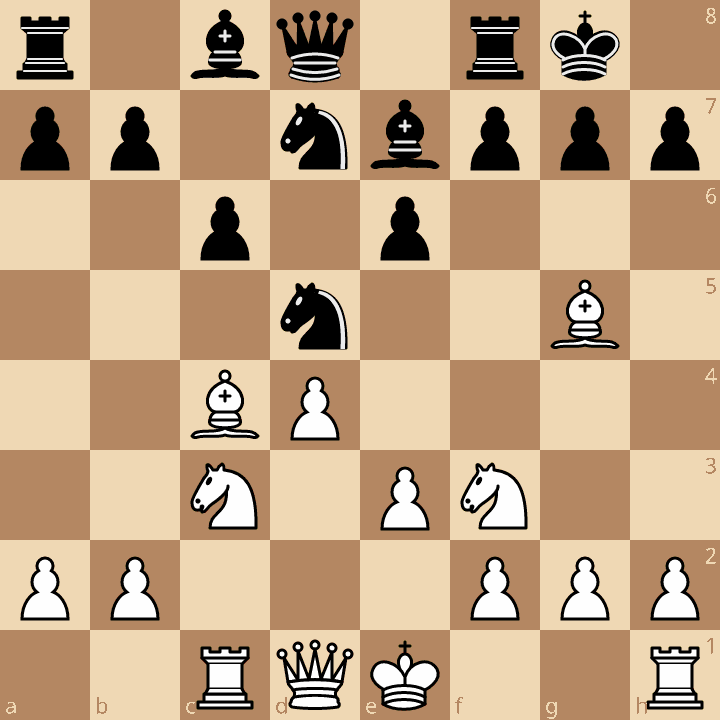
Capablanca played many defenses in the Queen’s Gambit Declined. One such was called the “Capablanca System”, though it didn’t score particularly well for him (On the ChessTempo database, Capablanca scored 1/2-1/2 7 times in this line, and 50% with Black isn’t good for Capa!)
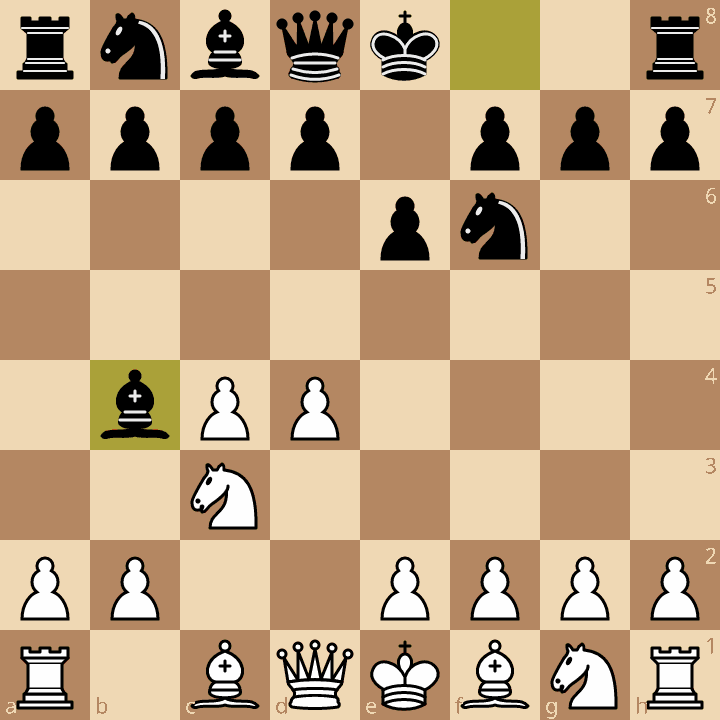
Capa, especially later in his career, would begin to employ the more sound defensive hypermodern openings, such as the Nimzo-Indian Defense after 1.d4 Nf6 2.c4 e6 3.Nc3 Bb4
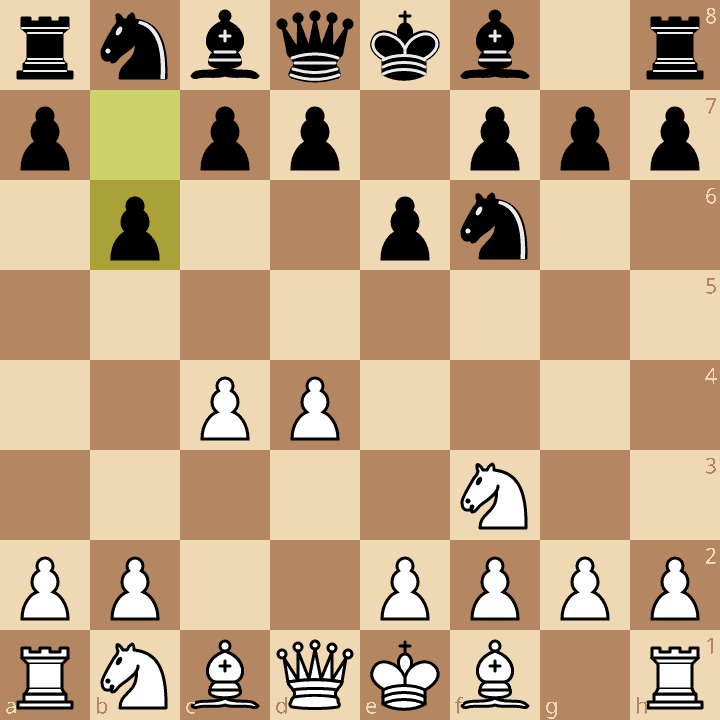
Capa also used, and scored well with, the Queen’s Indian Defense, the Nimzo-Indian’s theoretical cousin after 3.Nf3 b6
Capablanca’s Weaknesses
Lazy genius (mediocre opening prep): Capablanca is known for being a natural-born genius whose incredible talent compensated for his poor opening preparation. Capablanca got caught off guard all the time in openings, and yet in most cases was able to extricate himself from dire straits and convert those games into wins. In other words, don’t go to Capa for the opening; go to Capa for what he does after the opening!
Too “classical” (e.g. sometimes boring to watch): Although in later years, Capablanca began to accept some tenets of the hypermodern school, he was too dismissive of them: “The fact is that the Hypermodern Theory is merely the application, during the opening stages generally, of the same old principles through the medium of somewhat new tactics”, he quips in his book Chess Fundamentals. To my eyes, Capablanca’s games are often elegant and occasionally strikingly… boring, because of how “correct” his play style is, because he was not an experimentalist.
Conversations: What are YOUR thoughts about Capablanca?
Capablanca Resources
There is no shortage of good resources on Capablanca, including this video by GM Ben Finegold. Besides this video, I heartily recommend the below books if you’re looking for more Capablanca; but besides that there are thousands of probably-good resources out there on the web.


Chess Vibes went through the games on his YouTube channel; very instructive!
He did some lovely work with pawns.