
Morphy - Schulten, New York 1857
A pretty sacrifice for the win

I was struck by the beautiful finish of this game, and am trying to cultivate a habit of writing about games that make me laugh with delight. So here’s one such game I looked at today.
Everyone knows Paul Morphy; Johann Wilhelm Schulten was a contemporary master who Morphy met and bested in many off-hand games in New York around the time of the 1857 chess congress in New York.
1.e4 e5 2.Nf3 Nc6 3.Bc4 Bc5 4.b4
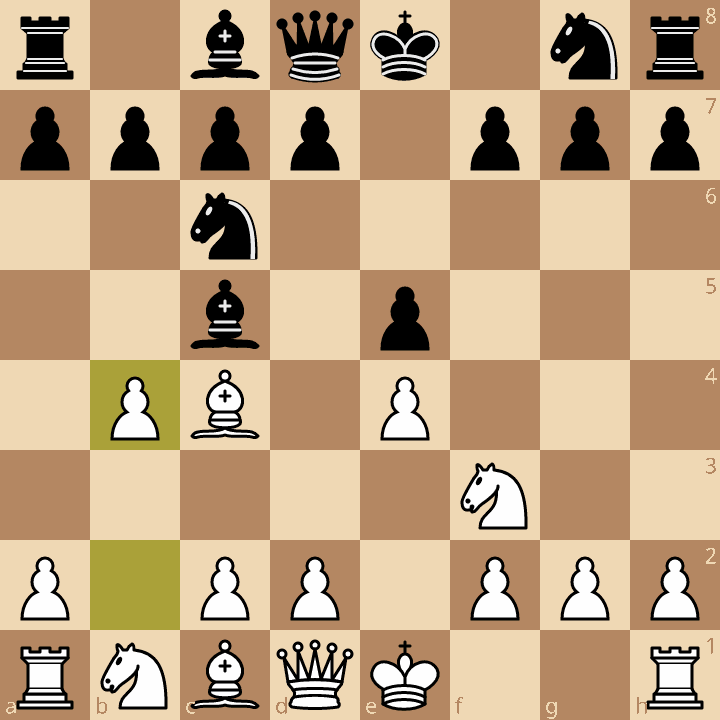
Morphy’s chosen his favorite opening: The Evans Gambit. In exchange for this b-pawn, White gets a lead in development, open lines, big center, and chances to develop a kingside initiative.
4…Bxb4 5.c3 Bc5 6.O-O d6 7.d4 exd4 8.cxd4 Bb6
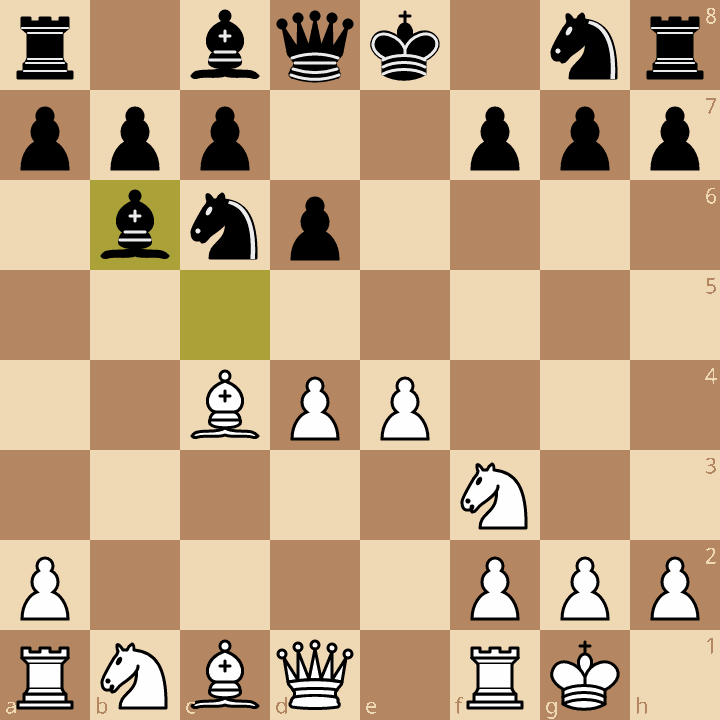
A position that is exemplary of the Evan’s Gambit when Black follows a solid plan. White has some center initiative in the future plan of playing e4-e5; the queenside pieces can quickly come to life, with moves like Nc3, Be3, Bg5, Bb2, Re1, etc. A satisfactory outcome for both sides of the board.
9.Nc3
Morphy’s move, favoring development over space; 9.d5 is the main alternative but doesn’t have much bite. Nowadays, the move 9.h3 is played in master play; despite having no real special point to it, it scores very well for White according to the Lichess Master’s database.
9…Bg4 10.Bb5!
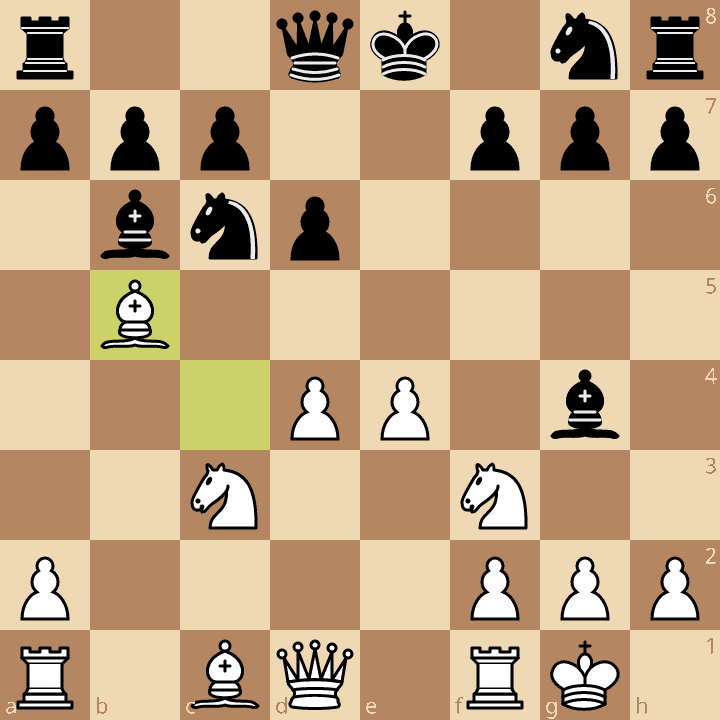
Morphy now threatens d4-d5 under better circumstances.
10…Bxf3?!
Schulten eschews 10…Bd7, not wanting to reverse any of his development at all. However, this was a much more solid idea.
11.gxf3!
Morphy maintains his threat!
11…Kf8
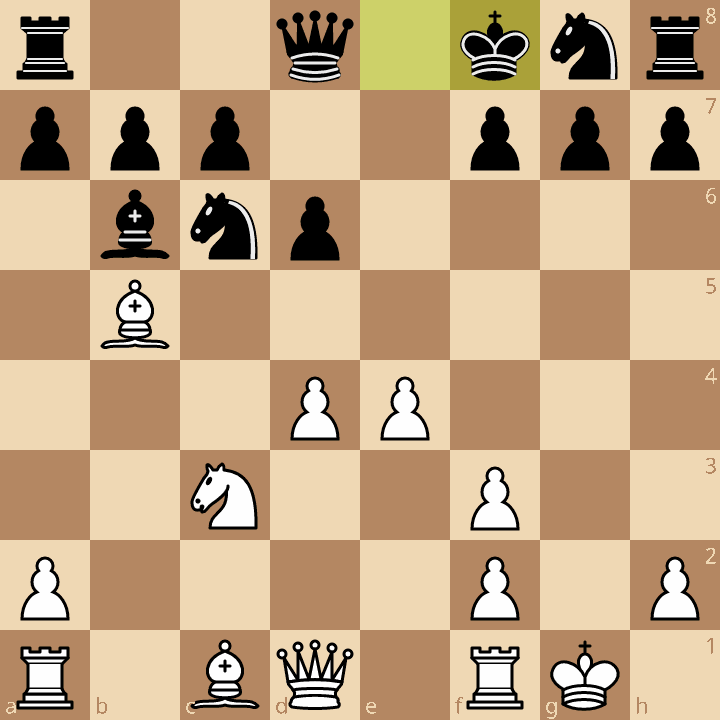
More or less forced in light of the threat d4-d5. White has won the battle of the opening. Black has lost castling rights, his kingside rook has some problems, and despite the airiness of White’s king position, Black has no way to capitalize on it.
12.Be3 Nce7 13.Kh1 c6 14.Ba4 d5
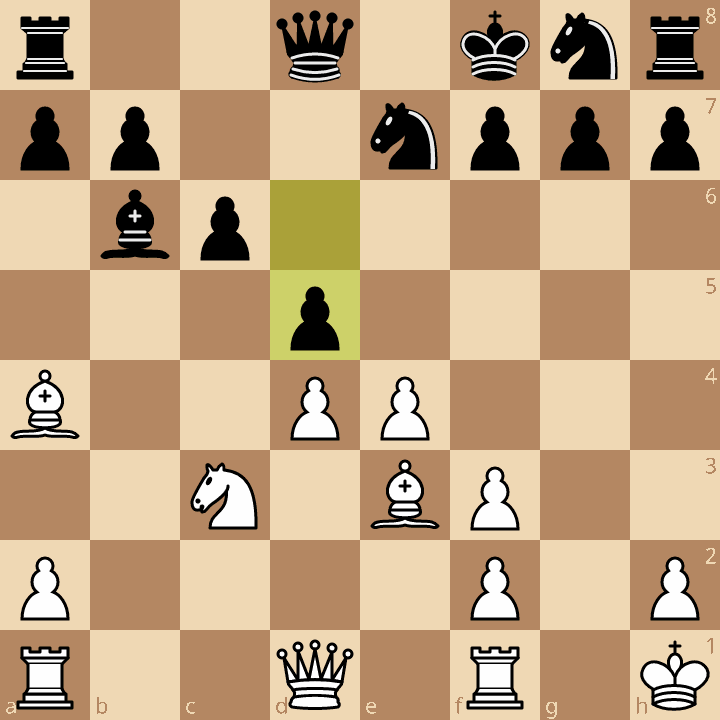
Black’s development problems notwithstanding, Schulten is doing a good job trying to get his position under control.
15.Rb1
I find this move just a bit curious. Perhaps it is prophylaxis by Morphy? Otherwise it is simple development. I think that at first glance I would prefer the move 15.e5, with more pressure on the kingside. However, Black does get a little counterplay afterward with 15…Nf5, slightly more active.
15…Rb8 16.Qd3 Bc7 17.Rg1 Ng6 18.e5!
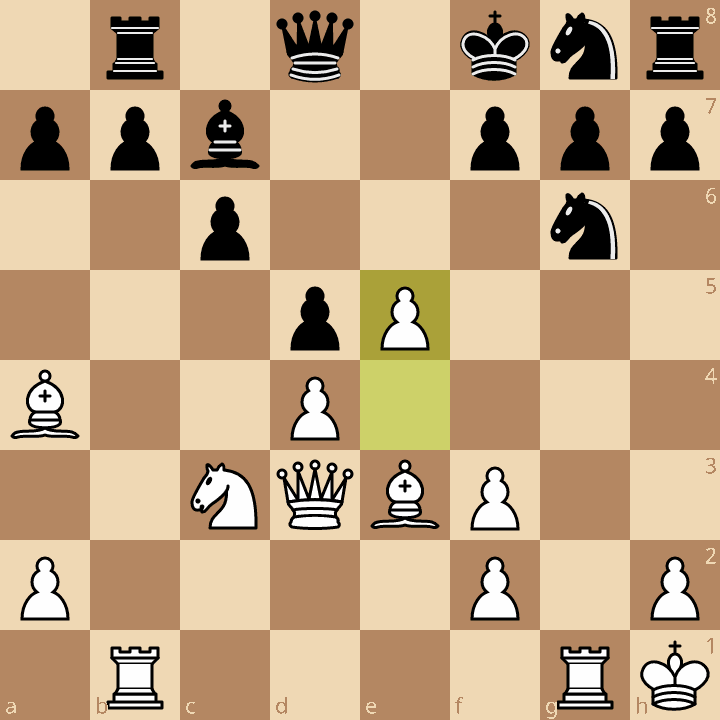
Morphy’s position continues to pick up steam as his takes over more control of Black’s territory. Now that the move Nf5 isn’t a threat, this move comes unimpeachable.
18…Qh4?
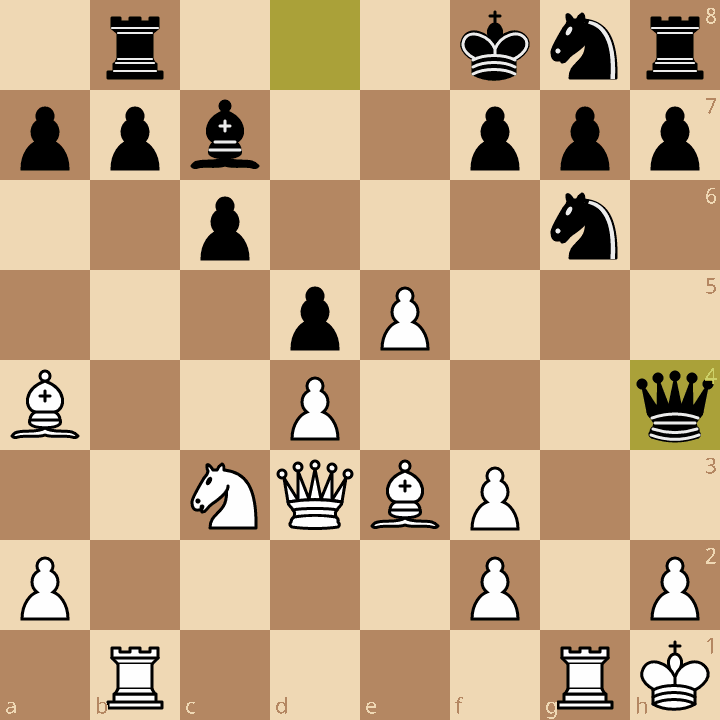
“Before we can attack, we must first develop. Schulten does not this rule; Morphy, in contrast, applies the rule to him.” - Geza Maroczy. The flashing red lights hover over Black’s undeveloped kingside.
19.Bg5!
Improving a piece with tempo. Nowadays a classical idea, but Morphy was perhaps the greatest exponent of this positional principle in the romantic era of the late 1850s.
19…Qh3 20.Ne2
Improving another piece that had become poorly placed over the course of the game.
20…f6
Schulten continues to fight back.
21.Nf4 Nxf4 22.Bxf4 g5??
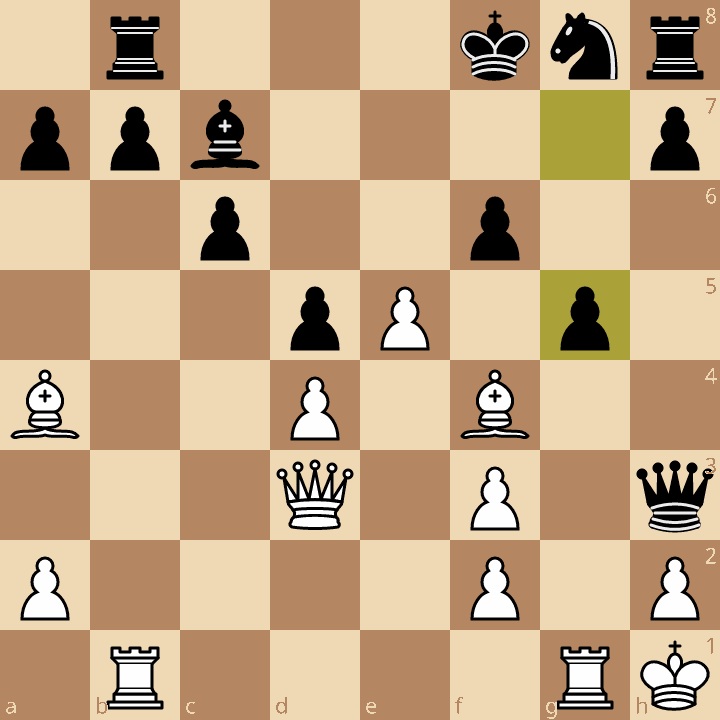
Black is entirely lost here after this pointless pawn push; 22…Ne7 had to be played.
23.Qa3+! Ke8 24.Rxb7!!
Winning a piece.
24…Rxb7 25.Bxc6+ Kf7 26.Bxd5
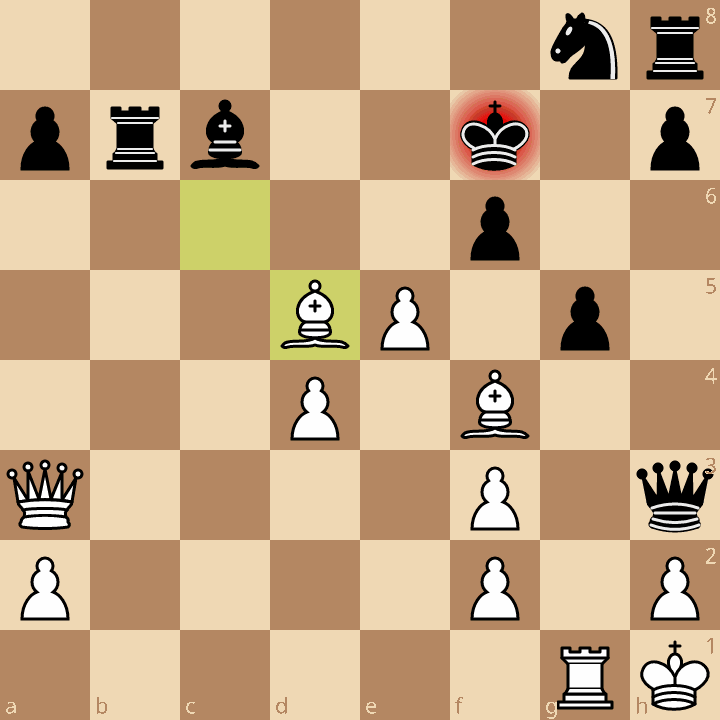
Morphy delays gratification and wins some more tempi and material at the same time.
26…Kg6 27.Qf8!
A high-class and constricting attacking move.
27…Qd7 28.Bxb7 Bd8
Black throws a jab at the bishop on b7; it’s the last threat Schulten gets to make.
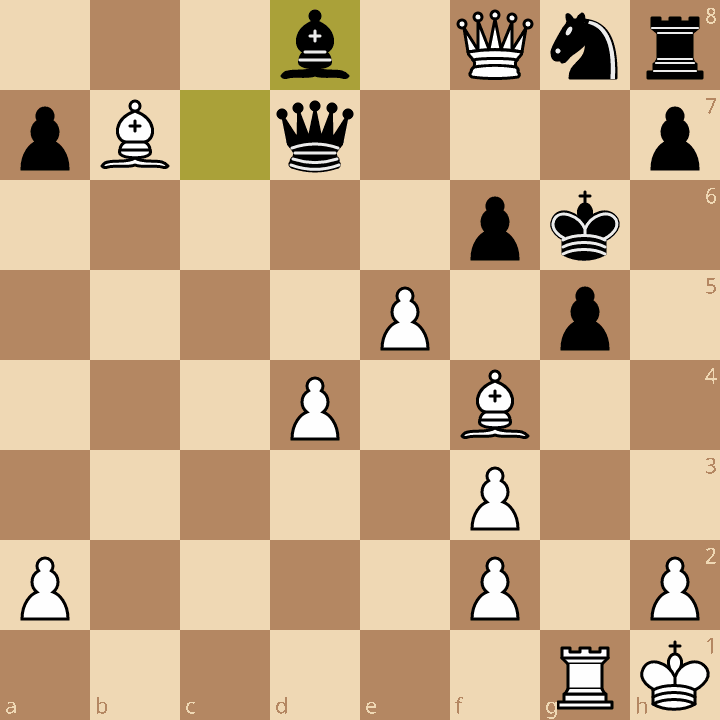
29.exf6 Bxf6 (29…Qxb7? 30.Rxg5)
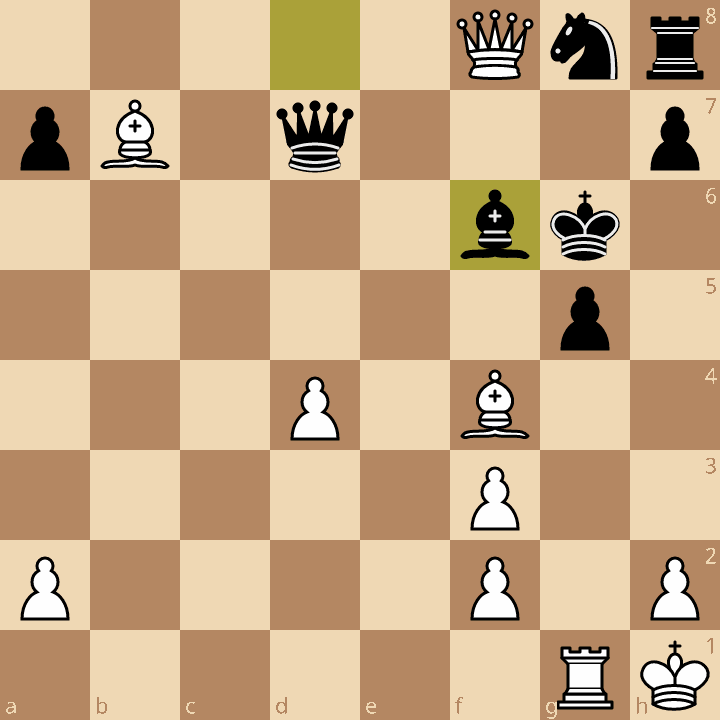
30.Be4+ Kh5 31.Be3 h6 32.Rg3! Bg7
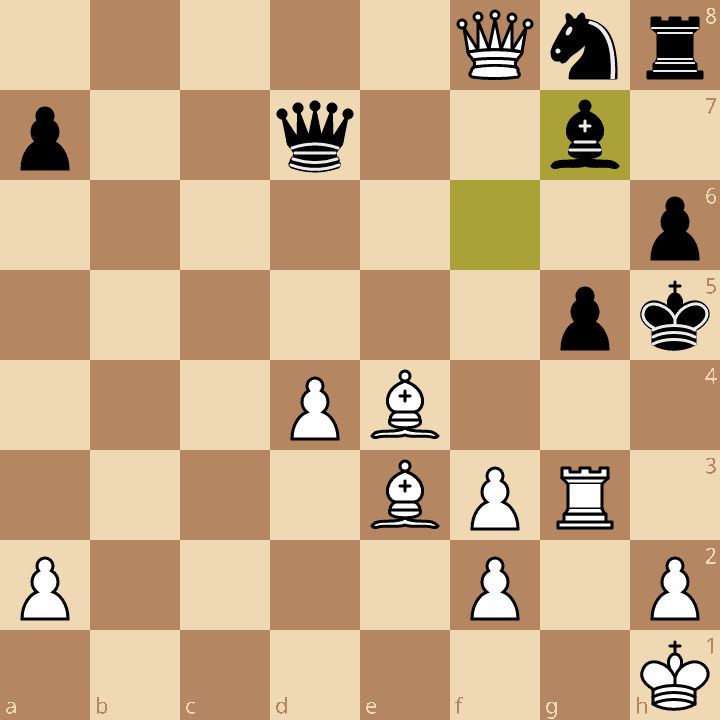
33.Qf7!!+ Qxf7 34.Rh3# 1-0
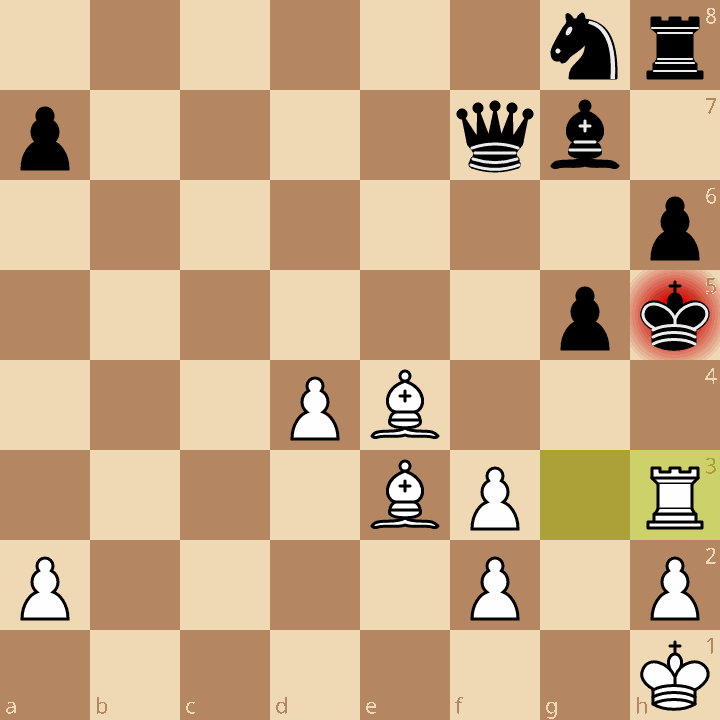
Chef’s kiss of a checkmate position.