
Book Review: Botvinnik's Best Games by Alexander Khalifman
⭐️⭐️⭐️½ Heavy analysis can drag you into the weeds, but this doesn't stop Botvinnik's best games from entertaining and instructing

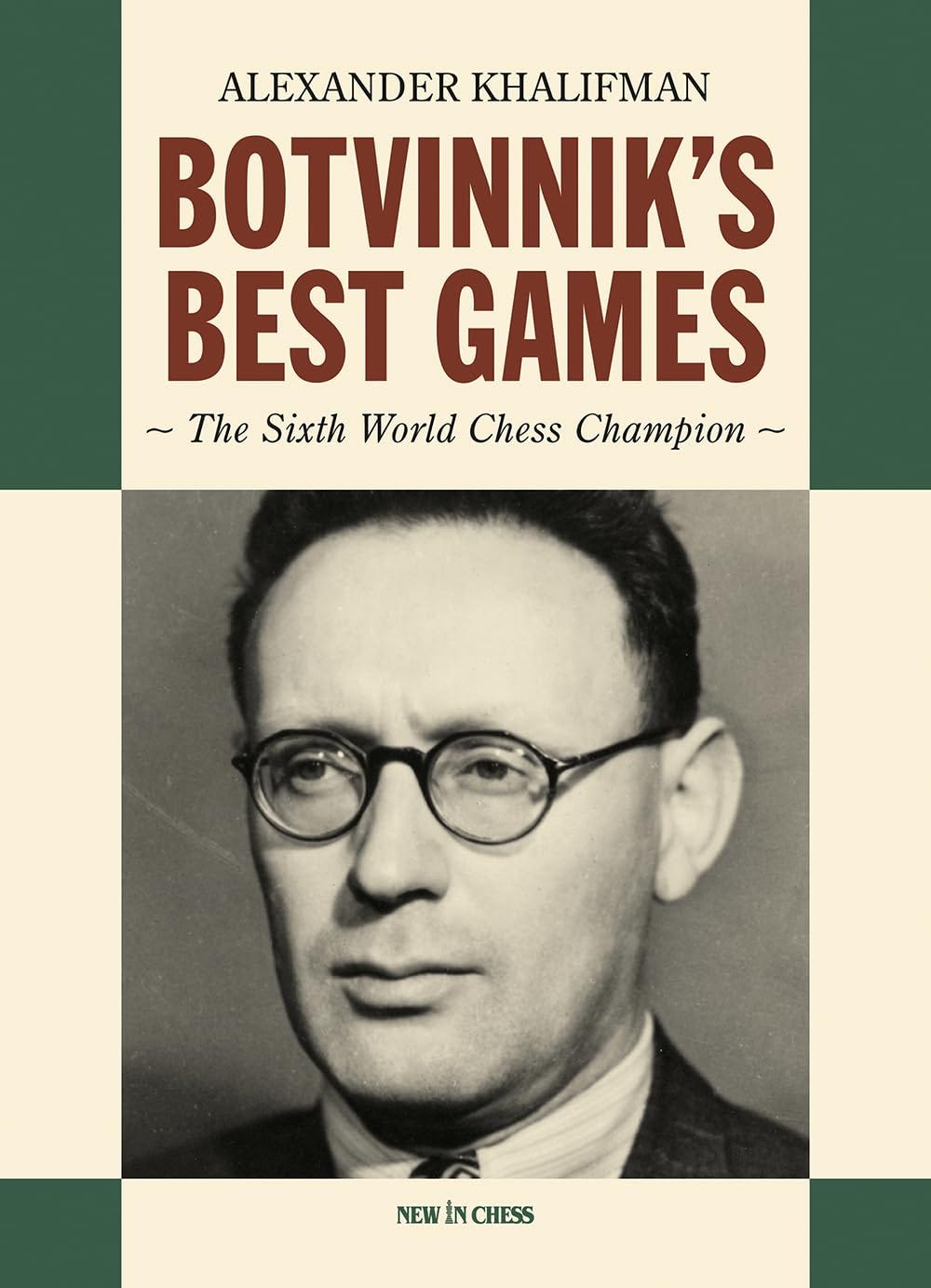
Botvinnik’s Best Games is presented by Alexander Khalifman, 1999 FIDE World Chess Champion. As such, the analysis goes extremely deep. If you’re a club player, it’s in all likelihood too deep. I have to admit that this book broke me of my habit of going through all analysis in a book; Khalifman’s style is just too scrutinizing in its variations for me.
Khalifman’s selection of games, however, is extremely top-notch; Botvinnik, when judged by FIDE rating, is under-rated as a champion, because by the time the Elo was invented, he was past his prime. Despite this, his FIDE rating peaked in 1971, right when he was retiring, at 2630. Botvinnik’s staying power as a player and a legacy should not be underestimated, and the games in this book show his mettle.
Botvinnik was a long-time contender for strongest player in the world, and at one point attempted to organize a match with Alexander Alekhine for the title. This was way back in the late 30s. Botvinnik wouldn’t become champion until 1948, and his pre-regnum days are therefore filled with many beautiful games showing he was deserving of the title a decade before he earned it.
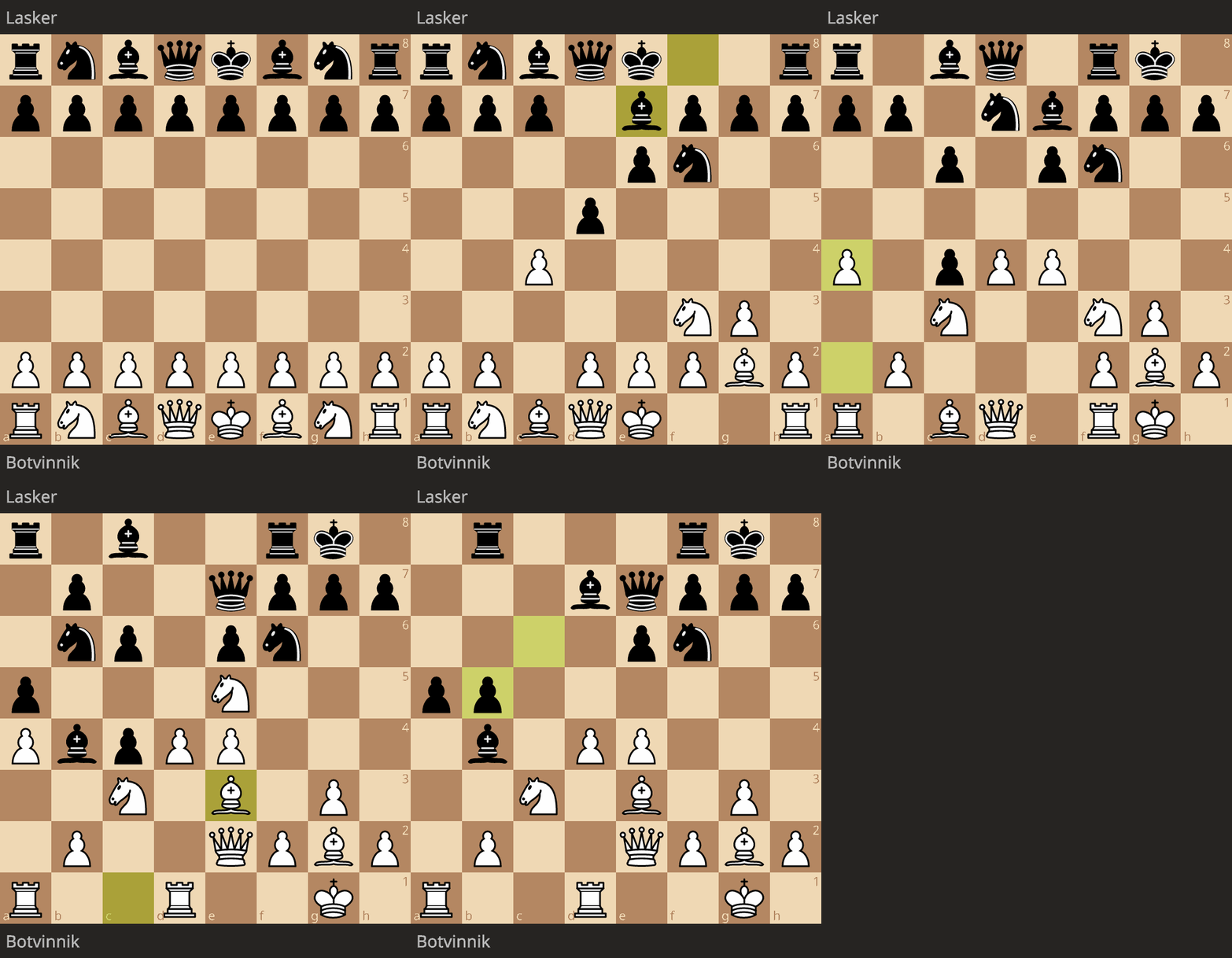
The early Botvinnik was extremely sharp, and while nowadays known for positional play, he seemed to cap off most of these early victories with breathtaking combinations, making many of his games a shoo-in for inclusion in this volume, with more than 40% of the total game count being included in the first of three of chapters (1. before becoming world champion, 2. before losing the title for the final time, and 3. post-championship days). Included in this first chapter are wins against world champions Vera Menchik, Lasker, Alekhine, and Capablanca.
Something that becomes apparent as you play through Botvinnik’s games is his modern style that still looks like it could happen today. It makes sense, as he was truly the Patriarch of the Soviet School of Chess. While Khalifman’s narratives don’t really dive into this (the book really is about the games more than the player), it’s an indelible touch that Botvinnik leaves in all three phases of the game. Botvinnik’s preparation in the opening almost always gets time in the spotlight; as do his original interpretation of middlegame plans (especially regarding the isolani); and of course, Botvinnik made many extremely important contributions to endgame theory which remain relevant 60 years later. For instance, Game 42, in which Botvinnik played a brilliant endgame to save a half-point against Fischer:
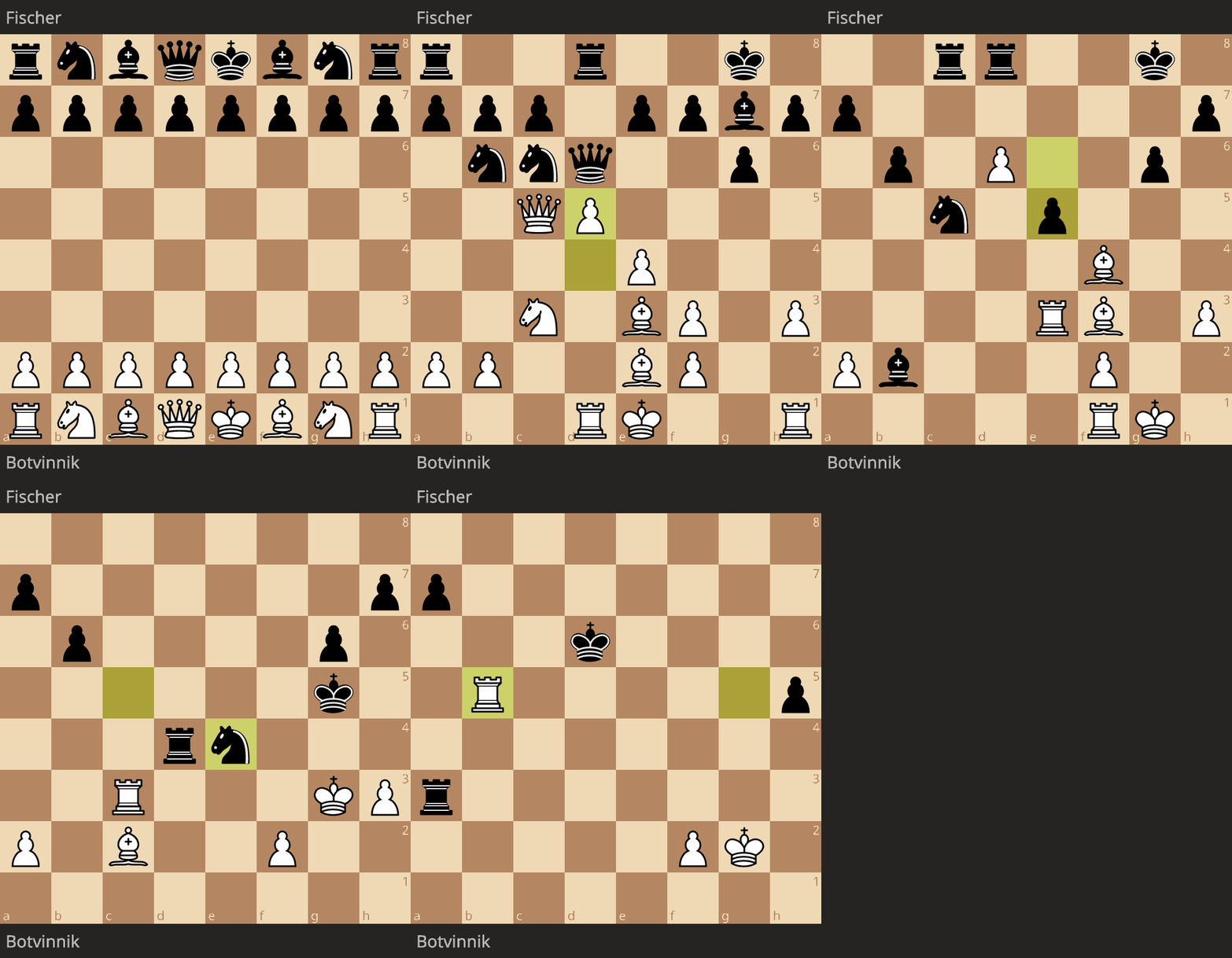
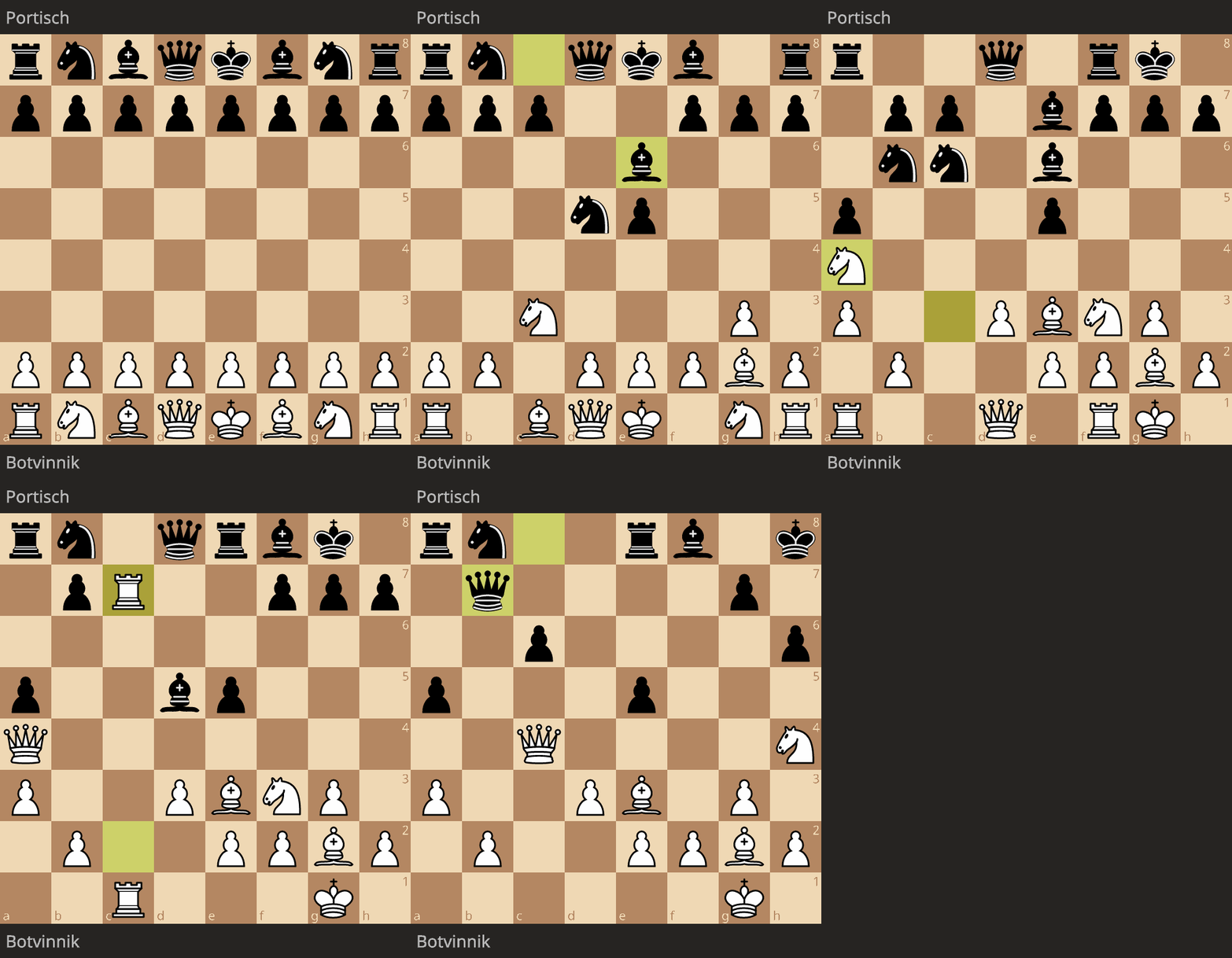
This game, and many others, show what Khalifman refers to as Botvinnik’s “iron will”; and it is genuinely inspiring to see the kind of positions that Botvinnik would seek play in, and try to exhaust all opportunities for a win, or in some cases such as the above, a draw. Botvinnik was not a one-hit wonder; he was dangerous in all three phases of the game, and Khalifman’s masterful selection of games leaves no room for doubt. The final chapter shows that Botvinnik was still extremely capable on the edge of retirement. Consider this absolute spanking by Portisch; it’s a real treat for the eyes — doubly so for fans of the English opening:
Khalifman’s analytical work is conversant with earlier analyses, including Botvinnik’s own, and the silicon gods themselves. In any case, this book is (in my opinion) mostly written for a class of player that I don’t slot into: experts and masters. So, YMMV, and my rating reflects this book’s possible usefulness for the average club player.
For players looking to study Botvinnik, Botvinnik’s Best Games is obviously a great choice, but the analysis is very heavy, and for many club players, including myself, it borders on oppressive and may possibly go over one’s head if you try to study every single line, so I hesitate to recommend it to everyone looking for a simple introduction to Botvinnik. For lower-level club players (say, below 1600 USCF), start elsewhere and work your way up to here — the quality of analysis soon turns to quantity in an unpleasant way. For more advanced players, this is probably a great choice.